Loading...
Agricultural Biotechnology Partner — since 2009
News & Case Studies
Research, case studies, and practical biotech guides.
Insights for Indonesian and Southeast Asian farmers, ranchers, and aquaculturists. 804 articles and counting.
Aquaculture
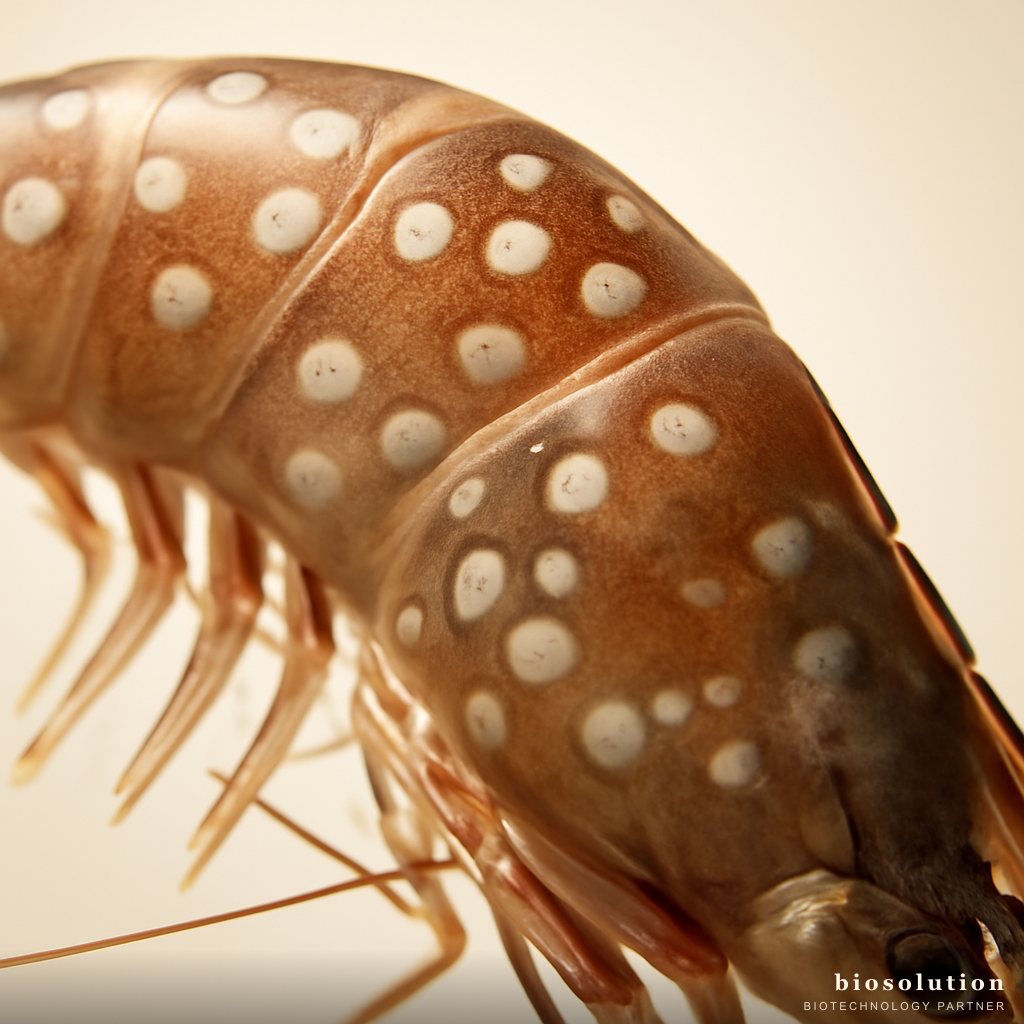
WSSV White Spot Disease in Shrimp: Chemical vs Microbial Costs
WSSV (white spot syndrome) is a serious threat to vaname shrimp ponds. This article compares the cost of risk management using conventional chemical methods with a probiotic-based microbial approach. Discover more economical and sustainable strategies to protect your pond investment.
Wirawan Saputra, S.Pi., M.P.9 min
Aquaculture
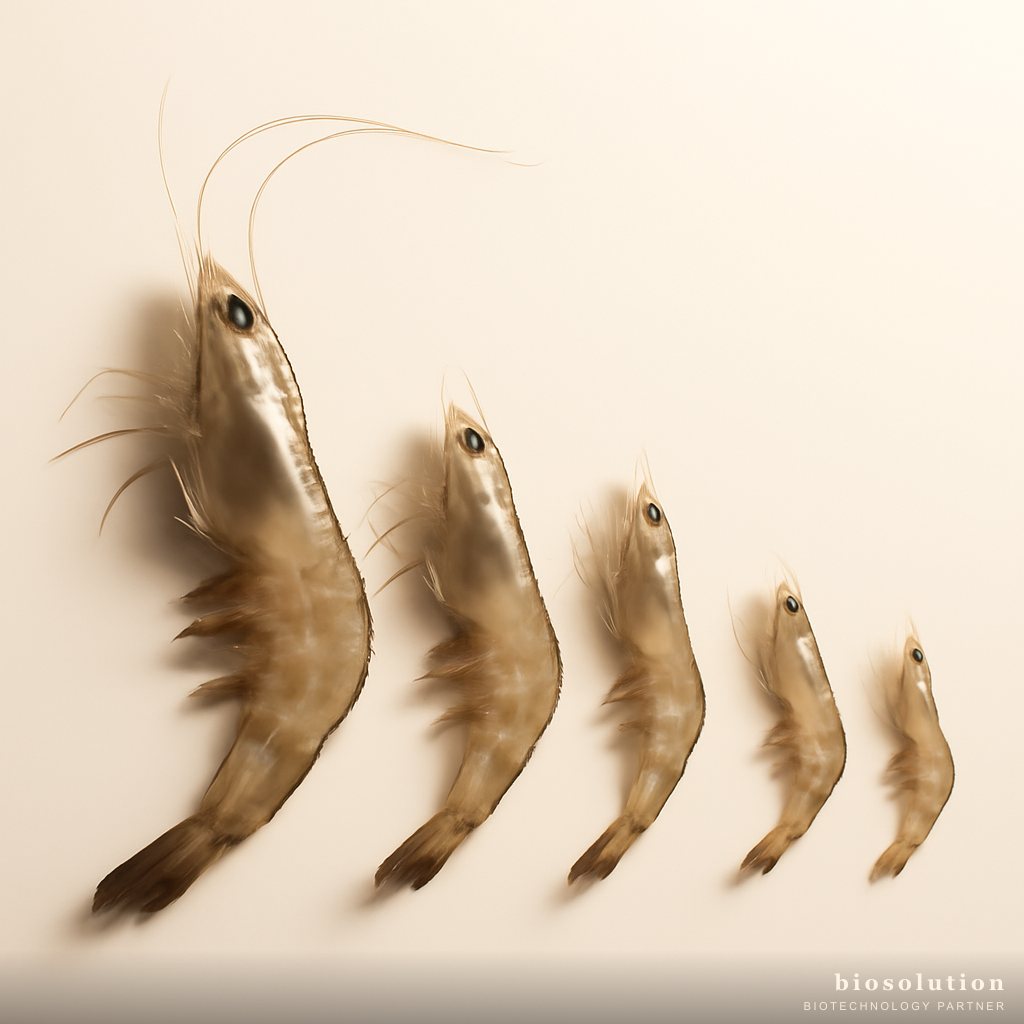
Shrimp Growing Slowly in Ponds? Here's the Probiotic Solution
Slow shrimp growth in ponds is often caused by poor water quality and Vibrio infection. Biosolution's Vaname Shrimp Pond Probiotic Formula contains Bacillus subtilis, Bacillus licheniformis, Nitrosomonas sp., and Nitrobacter sp. that work synergistically to suppress Vibrio, break down ammonia, and increase SR by 10-15%. Apply 5 L/ha every 7-10 days.
Ratna Wulandari, M.Si.8 min

Agriculture
Overcoming Acidic Agricultural Soil with Microbes
Tropical acidic agricultural soil is often resistant to chemical fertilizers. This article explores microbial strategies to improve acidic agricultural soil with 3 soil structure improvement formulas, utilizing Azotobacter sp., Azospirillum sp., and Bacillus megaterium.
Andi Prakoso S.P.9 min

Livestock
Salted Duck Egg Production: Probiotics vs Antibiotics
This article compares the cost of using antibiotics and probiotics to increase duck egg production for salted eggs. With efficacy data and product composition, we show that probiotics are more economical and safer.
Ayu Lestari, S.Pt.9 min

Livestock
Prevent Salmonella in Layer Eggs with the Right Probiotic Schedule
The risk of Salmonella in layer eggs can be minimized with proper probiotic management. This article reviews the administration schedule of Biosolution's Layer Probiotic Formula per rearing phase, from starter to end of production, to maintain gut health and egg quality.
Joko Suryadi S.Pt.9 min

Livestock
Probiotics for Laying Hens to Boost Egg Production & Shell Quality
Probiotics for laying hens are an effective solution to replace antibiotics. With Lactobacillus bulgaricus, Lactobacillus acidophilus, and Bacillus coagulans, this product increases egg production by 3–5%, strengthens shells, and reduces treatment costs. Suitable for layer farmers seeking efficiency and quality.
M. Faisal Hidayat S.Pt., M.Sc.10 min
Biocontrol
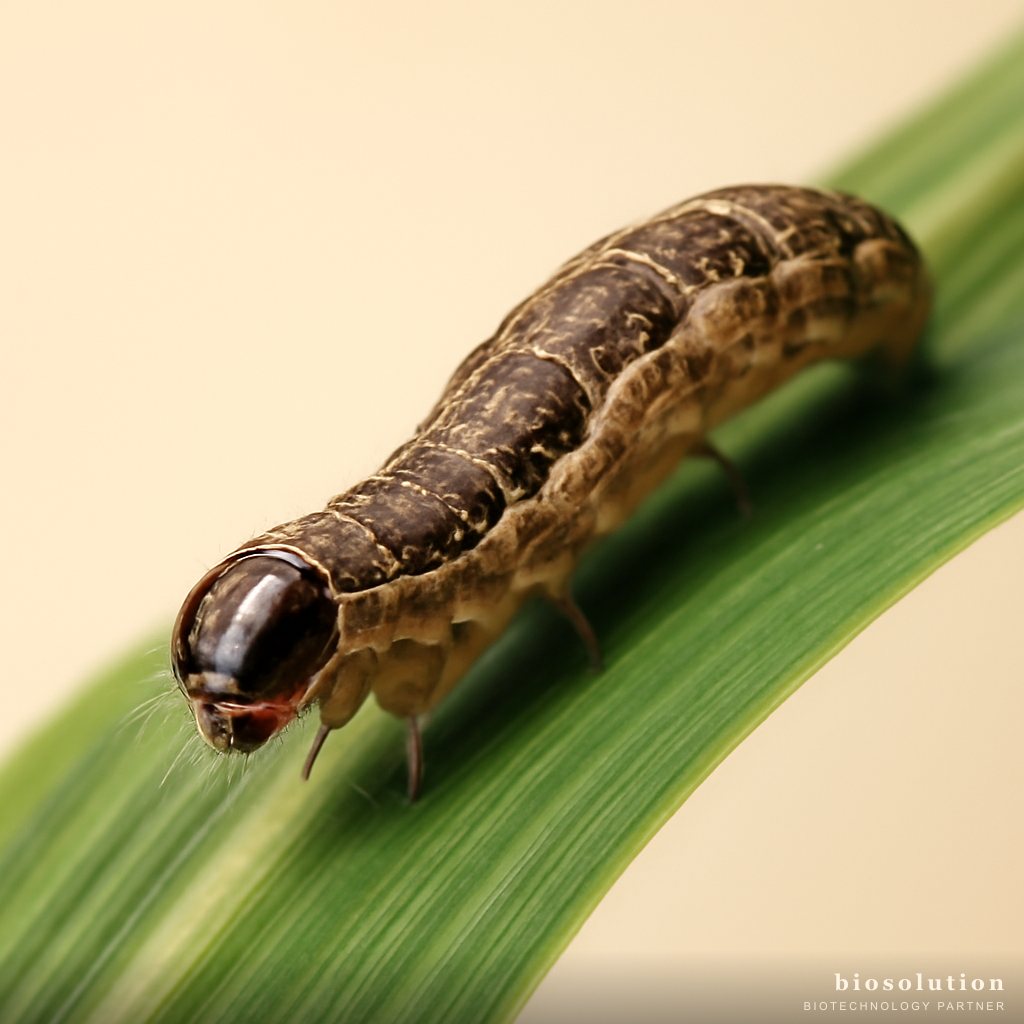
Controlling Fall Armyworm with Anti-Fall Armyworm Formula
This article discusses why chemical pesticides fail to control fall armyworm (FAW) due to resistance, and how a biological approach using Bacillus thuringiensis and Beauveria bassiana in the Anti-Fall Armyworm Formula provides an effective solution. Suitable for corn farmers seeking to switch to environmentally friendly control.
Dr. Nurul Hasanah, M.Sc.10 min

Biocontrol
Tomato Fusarium Wilt Control Formula: Dosage and Application Timing
Fusarium wilt caused by Fusarium oxysporum is a scourge for tomato and chili farmers. This article discusses the application of Fusarium Wilt Control Formula containing Trichoderma harzianum, Gliocladium virens, and Pseudomonas fluorescens. Dosage of 5 ml/L, soil drench every 14 days from planting to vegetative phase, effectively suppresses pathogens and strengthens plant resistance.
Bagus Pamungkas, M.P.9 min
Livestock
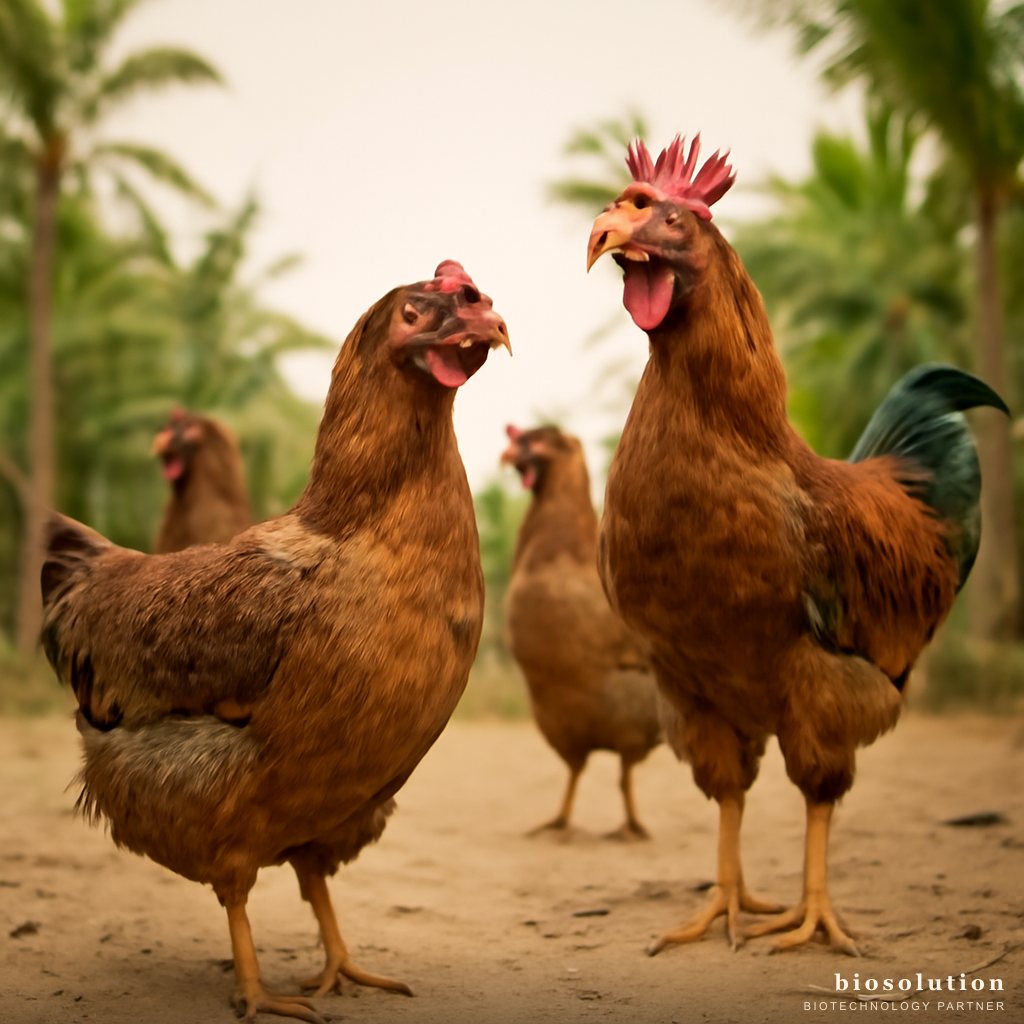
KUB Free-Range Chicken Probiotic: Integrator Case Study
How a KUB free-range chicken integrator successfully reduced mortality and accelerated harvest using the KUB Free-Range Chicken Probiotic Formula? Read the full case study.
Joko Suryadi S.Pt.7 min
Biocontrol
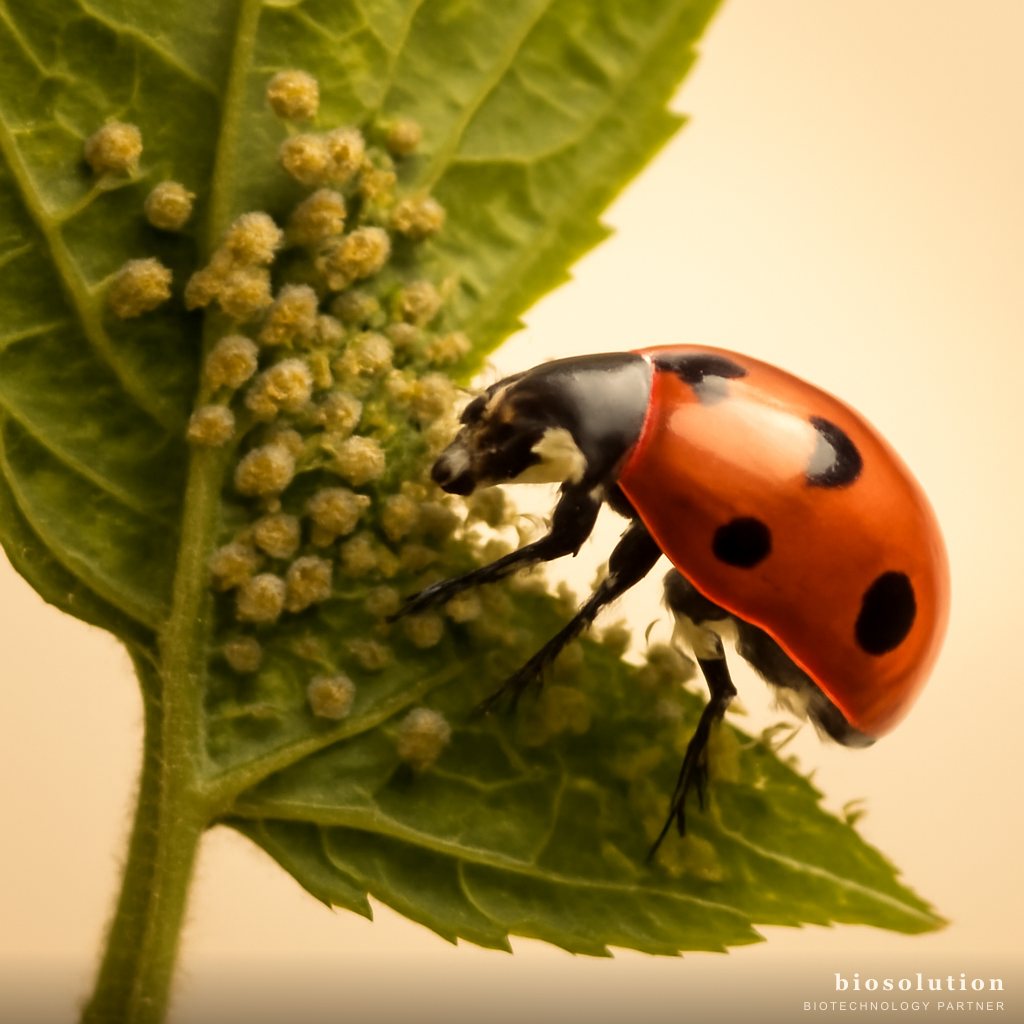
Aphid and Whitefly Control: Biocontrol Formula Application Guide
Learn the correct application method for the Anti-Aphid & Whitefly Formula: dosage 3 ml per liter of water, spray under leaves in the afternoon when RH >70%, repeat every 5 days during high populations. Suitable for horticultural farmers seeking biological control of aphids and whiteflies without chemical residues.
Dr. Aryo Wibowo9 min
Biocontrol
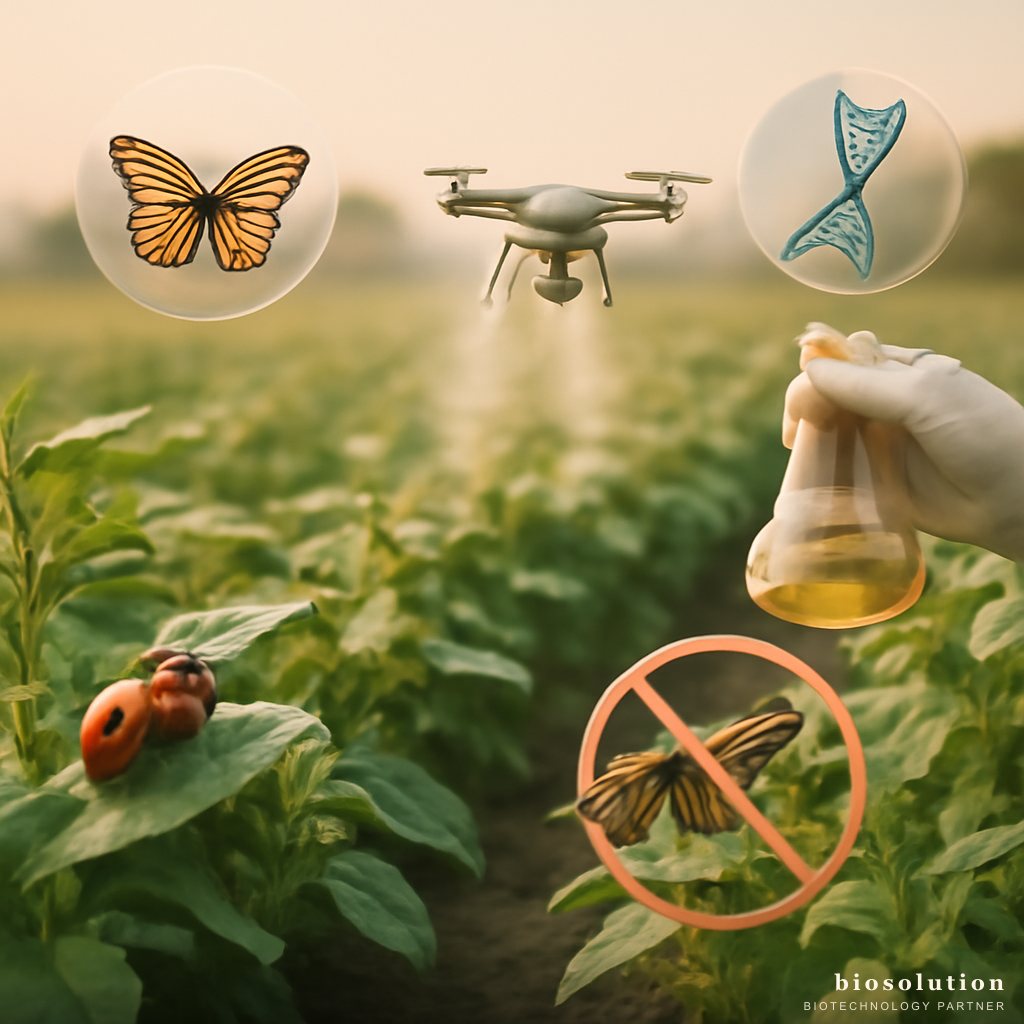
Integrated Biocontrol IPM: Strategy to Suppress Pests by 80%
A case study of an oil palm plantation in Sumatra successfully suppressed pest attacks by up to 80% through the application of integrated biocontrol IPM. The biological insecticide formula based on Beauveria bassiana and Metarhizium anisopliae was key to the success of an environmentally friendly integrated pest management program.
Diah Savitri, S.P., M.Sc.10 min

Biocontrol
Anti Phytophthora Rot in Chili: Biocontrol vs Chemical Resistance
Chemical pesticides often fail to control phytophthora rot in chili and cocoa due to pathogen resistance. This article explores the resistance phenomenon and why biocontrol using the Anti-Phytophthora Rot Formula (Trichoderma harzianum, Pseudomonas fluorescens, Bacillus subtilis) is an effective and sustainable solution.
Dr. Nurul Hasanah, M.Sc.9 min