Potential and Challenges of Shrimp Farming in Situbondo
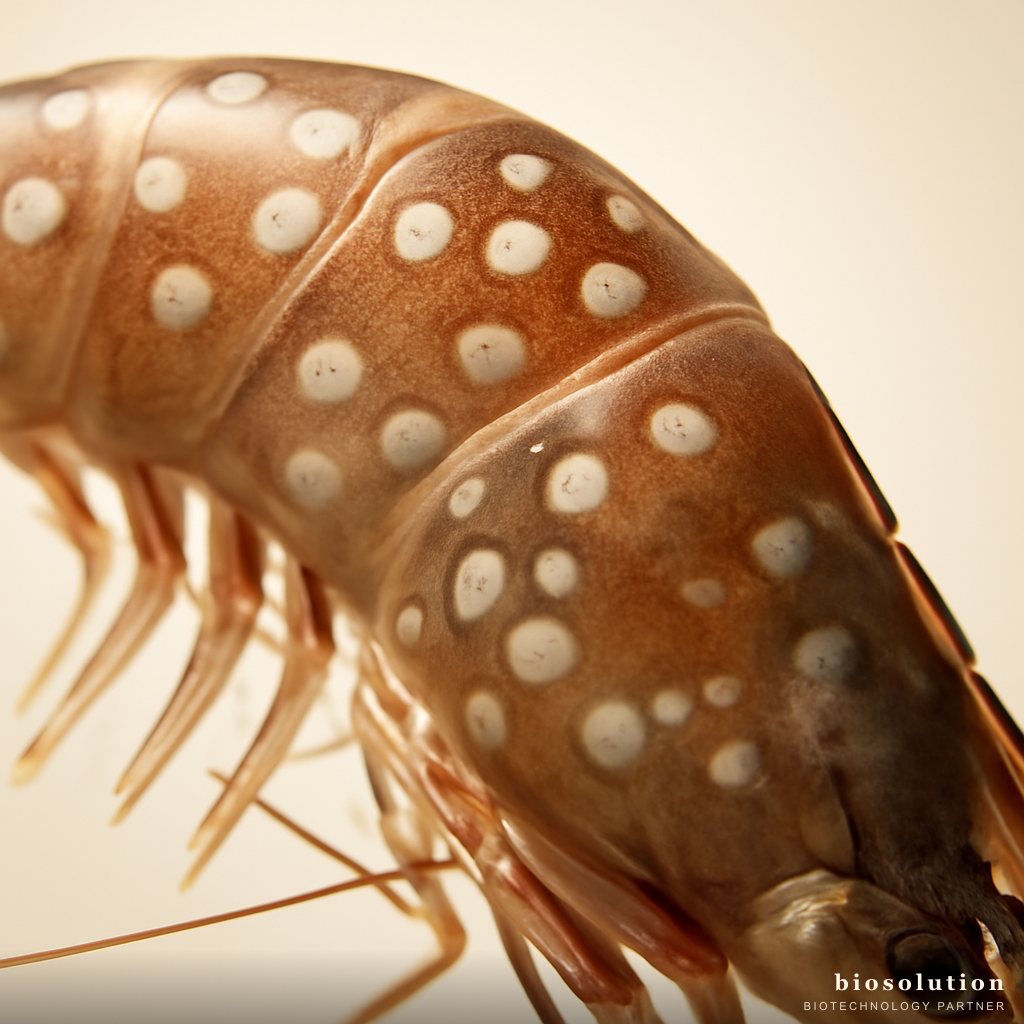
Situbondo Regency, East Java, has a 150 km coastline ideal for vannamei shrimp farming. However, many farmers face water quality and disease problems causing crop failures.
Main Problems Faced
Before using Biosolution products, farmers experienced:
- Low survival rate of only 65%
- Unstable water quality especially pH and dissolved oxygen
- Disease attacks such as WSSV and vibriosis
- Non-uniform harvest sizes
Biosolution Solution for Aquaculture
The Biosolution team designed a special protocol using:
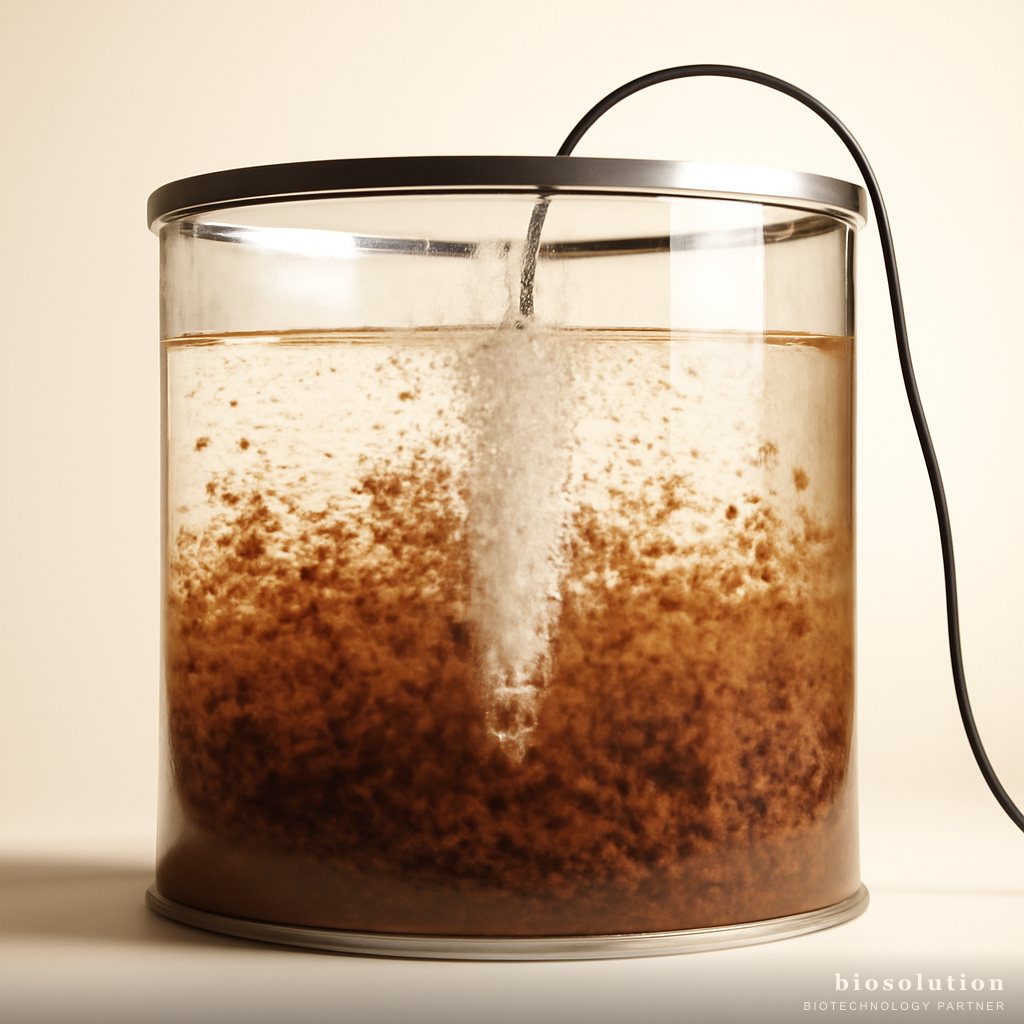
- AQUABIO - Water probiotic to stabilize water quality and suppress pathogenic bacteria growth
- Multi-phase Poultry Probiotic Formula - Bioactivator that improves feed digestibility and shrimp gut health
Application Protocol
Pond Preparation
- AQUABIO 5 liters/pond for water stabilization 7 days before stocking fry
Maintenance Phase
- AQUABIO 2 liters/pond every 3 days
- Multi-phase Poultry Probiotic Formula 1 kg/ton of feed, mixed evenly
Results Achieved
After 3 production cycles, the results were very satisfying:
| Parameter | Before | After | Change |
|---|---|---|---|
| Survival Rate | 65% | 82% | +17% |
| Harvest Size | 60-70 | 50 | Larger |
| Production/Pond | 6.2 tons | 8.5 tons | +37% |
| Net Income | Rp 280 million | Rp 407 million | +45% |
Financial Analysis per Cycle
- Production cost: Rp 320 million
- Harvest value: 8.5 tons x Rp 85,000/kg = Rp 722.5 million
- Net income: Rp 402.5 million
- Increase vs previous: +Rp 127 million/cycle
Farmer Testimonial
"I used to often fail harvests due to mass shrimp deaths. After using Biosolution products, pond water is more stable and shrimp are much healthier. Now I can harvest consistently 3 times a year," said H. Samsul Arifin, a farmer in Situbondo.
Environmental Impact
Probiotic use also provides positive impact:
- Reduces nitrogen waste to waters
- No antibiotic residue in products
- Supports sustainable aquaculture
Replication in Other Locations
This success has been replicated in other ponds in Situbondo and Lamongan with similar results.